The Richest French Couples Shaping Global Wealth In 2026
In global finance, France is different. While other countries focus on individual tech leaders, much of France’s wealth comes from strong family partnerships. In 2026, the richest French couplesare not just wealthy, they manage some of the world’s most famous brands in luxury, shipping, and technology.
These couples use family holding companies, careful investments, and marital agreements to protect their fortunes over generations. Their wealth reflects shared control and influence, shaping markets in fashion, logistics, and innovation around the world.
1. Bernard Arnault And Hélène Mercier
Estimated Net Worth:$163B - $207B
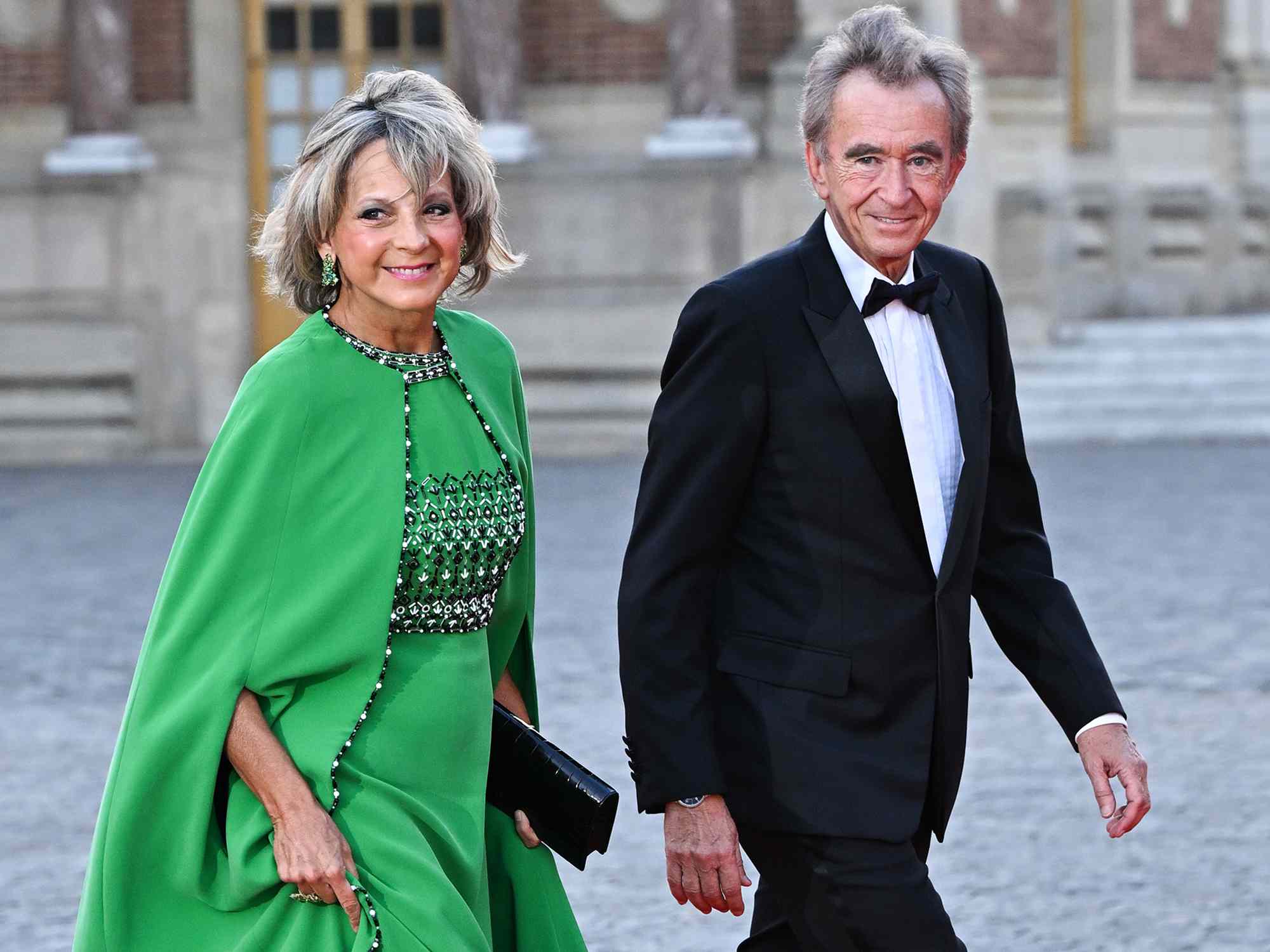
Bernard Arnault is the chairman and CEO of LVMH, the world’s largest luxury group. The company owns more than 75 famous brands, including Louis Vuitton, Dior, Givenchy, and Tiffany & Co. His wife, Hélène Mercier, is a well‑known Canadian pianist who helps support the family’s arts and cultural work.
Together, they manage one of the biggest fortunes in the world, with all five of their children holding senior roles at LVMH to help keep the business in the family and its brands strong. For more details on how Bernard Arnault built his wealth and why he is one of France’s richest people, see Bernard Arnault and his fortune on Estime Fortune.
2. Françoise Bettencourt Meyers And Jean-Pierre Meyers
Estimated Net Worth:$92B - $98B
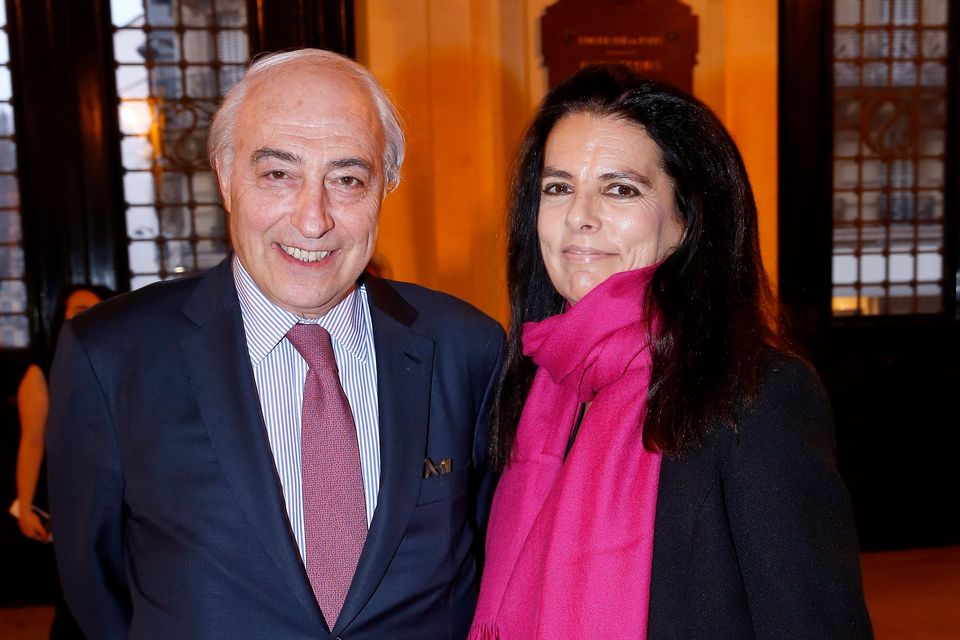
Françoise Bettencourt Meyers is the heiress of L’Oréal, the global leader in beauty and personal care products. She inherited her wealth from her family and manages it alongside her husband, Jean-Pierre Meyers, who sits on the company’s board and oversees their family investment group.
They have expanded their portfolio to include technology, health, and sustainable business ventures, ensuring long-term growth. The couple is known for balancing inherited wealth with strategic investments that maintain their position among the richest in France.
Related Reading: Famous People From Kansas
3. Marie-Hélène Habert-Dassault And Benoit Habert
Estimated Net Worth:$10B - $12B
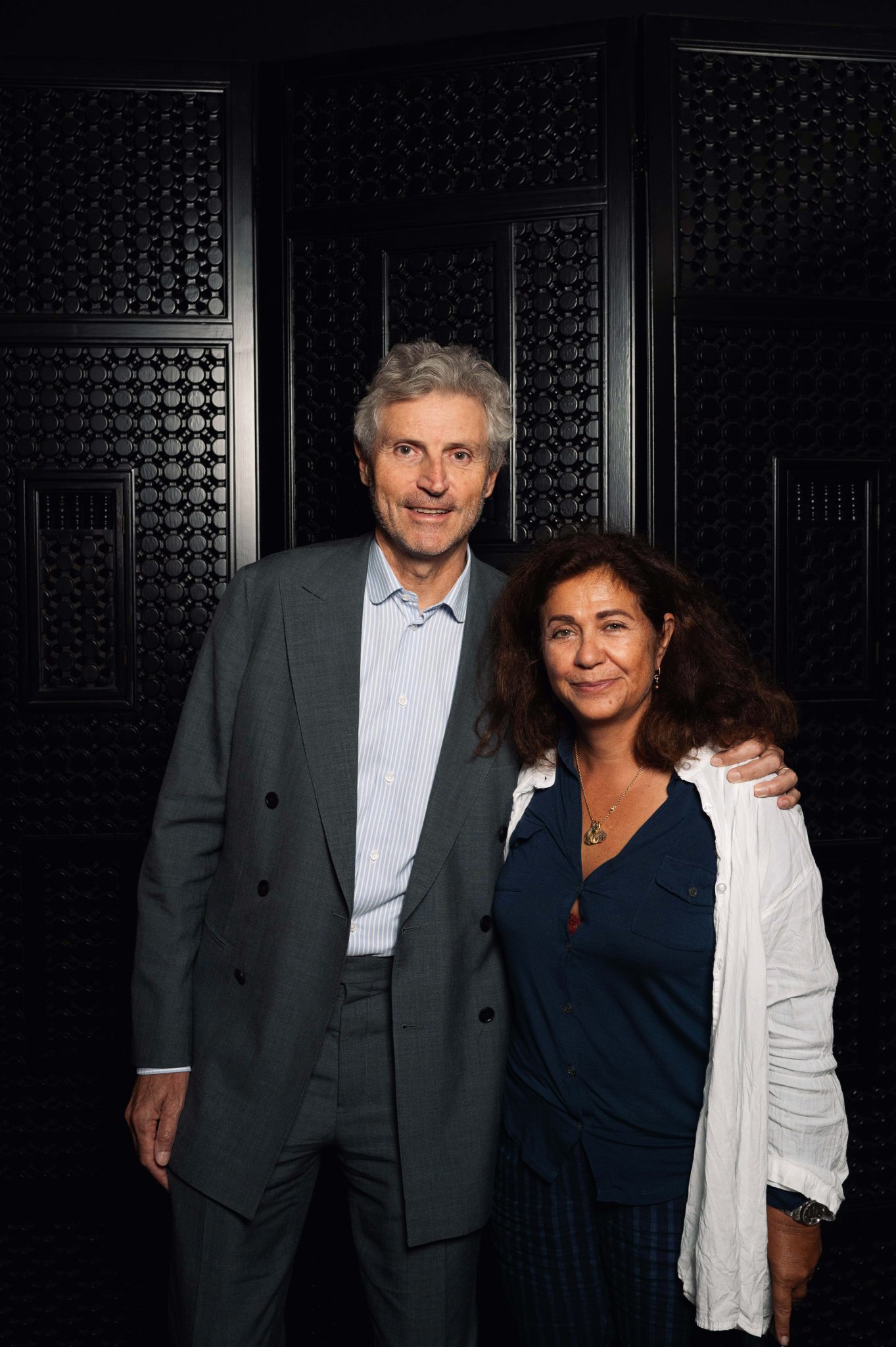
Marie-Hélène Habert-Dassault belongs to the Dassault family, famous for manufacturing fighter jets, software, and aerospace systems. Her husband, Benoit, works closely with her to manage the family’s industrial empire, which also invests in media, wine, and technology.
Their wealth is diversified across multiple industries, making it stable and protected. The couple plays a central role in one of France’s most influential industrial families.
4. Gérard Mulliez And Bernadette Mulliez
Estimated Net Worth:$8B - $10B
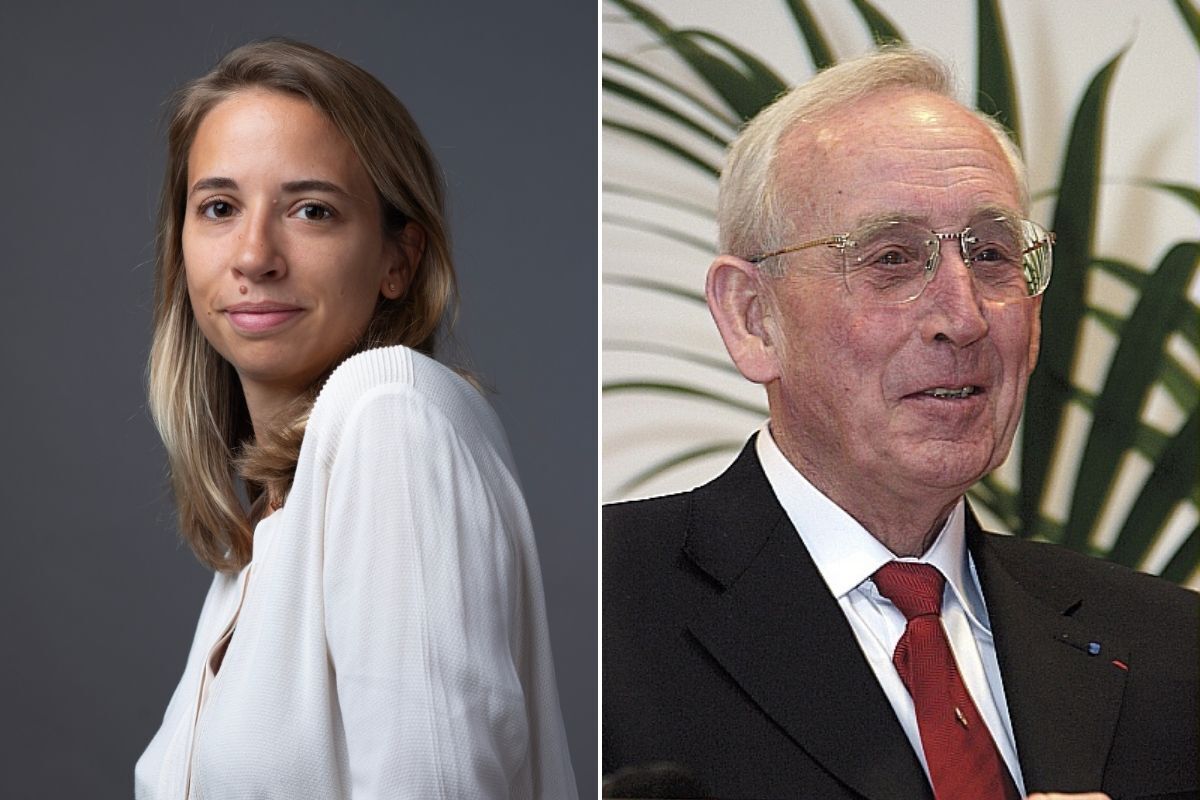
Gérard Mulliez founded Auchan, a retail chain operating in Europe and beyond. He and his wife, Bernadette, are part of a large family group that owns other retail brands like Decathlon and Leroy Merlin.
They maintain a unique ownership system where family members collectively manage the businesses. The couple lives modestly and reinvests profits into growth, ensuring their retail empire continues to generate wealth for the family while maintaining market leadership.
5. Rodolphe Saadé And Véronique Albertini-Saadé
Estimated Net Worth:$34B - $40B
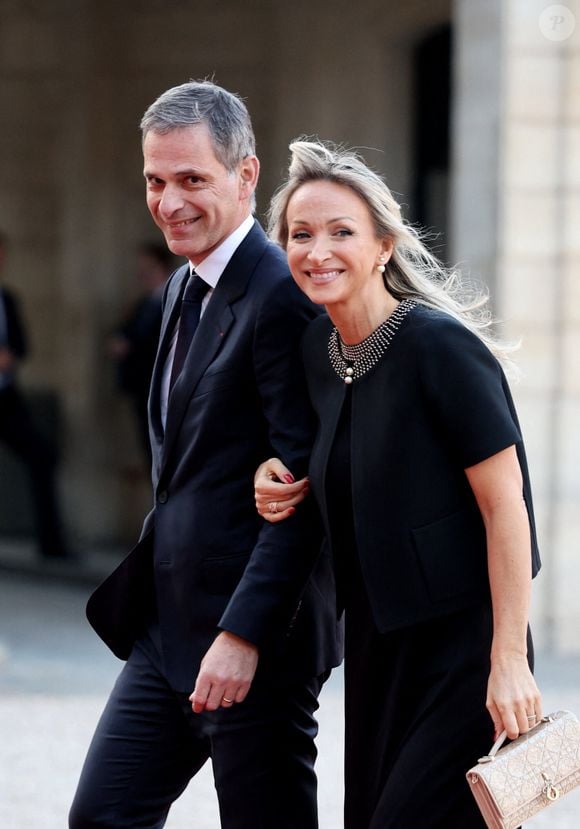
Rodolphe Saadé is the chairman of CMA CGM, one of the world’s top shipping and logistics companies, operating in over 160 countries. His wife, Véronique, manages the family’s media and communication businesses. The couple has expanded their influence by owning newspapers and television channels in France.
Their combined wealth reflects the growing importance of global trade and shipping, while their active roles in both logistics and media make them a powerful partnership in multiple industries.
6. François-Henri Pinault And Salma Hayek
Estimated Net Worth:$28B - $35B
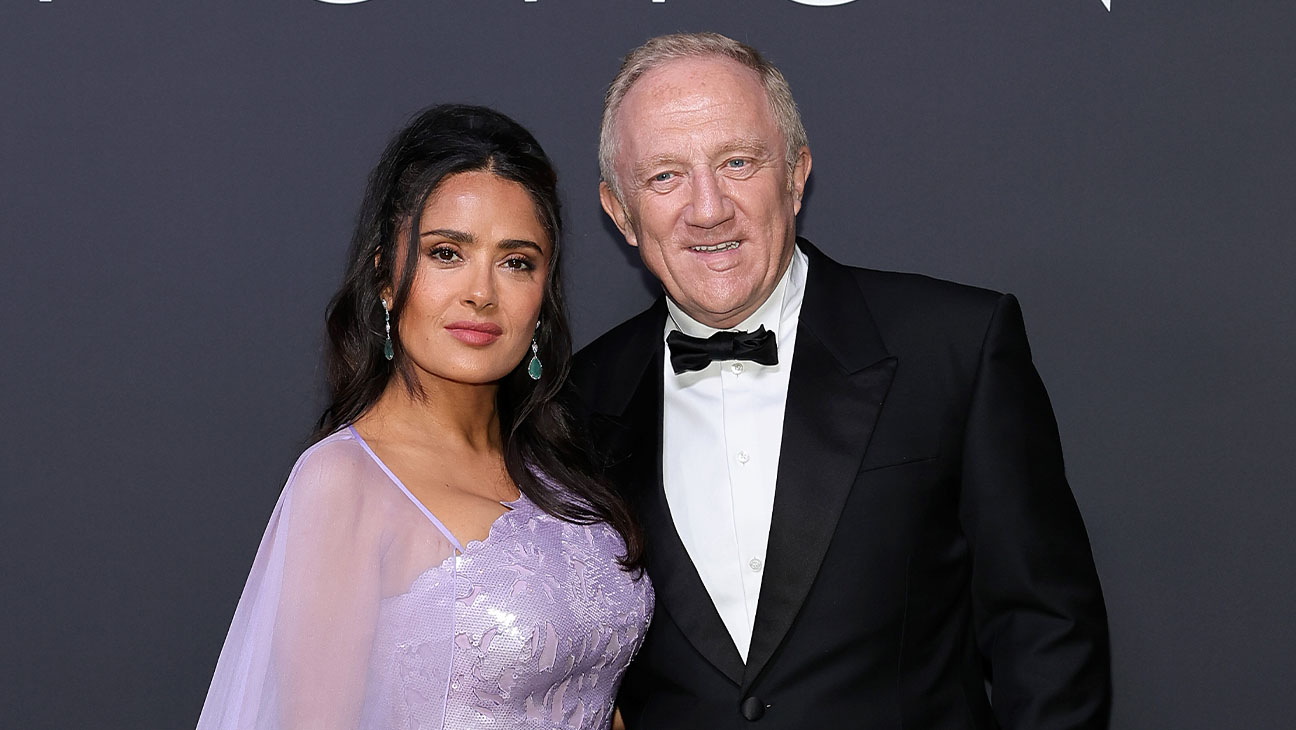
François-Henri Pinault leads Kering, a luxury conglomerate owning brands such as Gucci, Saint Laurent, and Balenciaga. He is married to actress Salma Hayek, whose celebrity status brings global attention to their brands.
They also work together on philanthropy, particularly supporting women’s rights and cultural initiatives. The couple’s wealth comes from family holdings in fashion, art, and wine, with Salma’s influence enhancing brand visibility and global reach.
Also Read About: Famous People From New Jersey
7. Emmanuel Besnier And Sandrine Besnier
Estimated Net Worth:$24B - $28B
Emmanuel Besnier is CEO of Lactalis, the world’s largest dairy company, producing brands like Président, Galbani, and Parmalat. He and his wife, Sandrine, lead a private and low-profile life, focusing on running the business efficiently.
Lactalis distributes dairy products to nearly every country, giving the couple global economic influence. Their wealth comes from both ownership and the company’s continuous growth, while their private approach protects the business and family interests.
8. Xavier Niel And Delphine Arnault
Estimated Net Worth:$15B - $20B
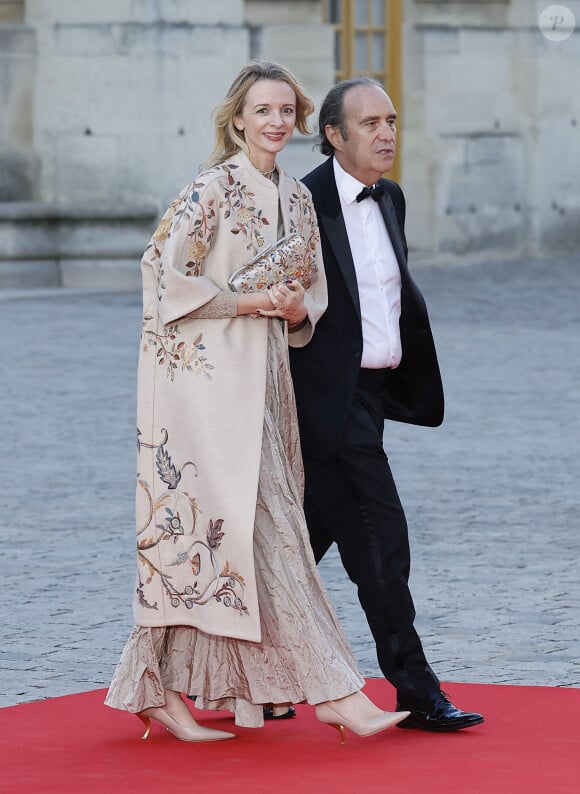
Xavier Niel is a self-made billionaire who founded the telecom company Free, a major internet and phone service provider in France. Delphine Arnault, his partner, is executive vice president of Dior, one of the world’s top fashion houses.
Together, they combine technology and luxury, influencing both sectors in France. Xavier invests in startups and new technologies, while Delphine oversees Dior’s creative and global strategy. This couple represents a mix of innovation and tradition in French wealth.
9. Alain Wertheimer And Brigitte Laloum
Estimated Net Worth:$42B - $45B
Alain Wertheimer co-owns the legendary fashion house Chanel with his brother Gérard. Chanel produces high-end fashion, accessories, cosmetics, and the iconic No. 5 perfume. Alain’s wife, Brigitte Laloum, maintains a private life while supporting the family’s business initiatives.
Chanel is a private company, so their financial details are confidential, but the brand’s consistent global success and strong market positioning sustain their immense fortune. The couple focuses on preserving Chanel’s reputation and passing the business to the next generation.
10. Gérard Wertheimer And Valérie Picavet
Estimated Net Worth:$42B - $45B
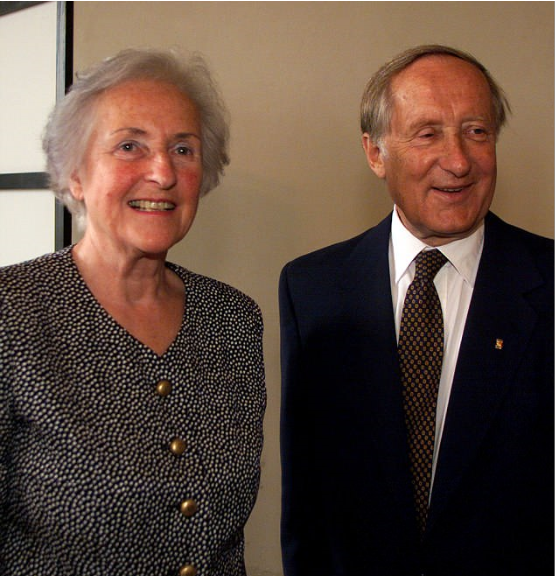
Gérard Wertheimer, Alain’s brother, co-owns Chanel and leads its watch division. His wife, Valérie Picavet, is known for philanthropy but avoids the public eye. They share ownership equally with Alain and his family, which keeps the fortune balanced between the two branches.
Gérard and Valérie prioritize maintaining Chanel’s exclusivity, profitability, and family control, ensuring the brand remains a symbol of luxury worldwide.
The "Information Gain" Section - How These Couples Stay Rich
French wealth is famously "sticky." In 2026, these couples utilize three specific strategies to prevent wealth erosion:
- Usufruct Agreements: Many couples transfer the "bare ownership" of their companies to their children but keep the "usufruct" (the right to income and control). This prevents high inheritance taxes while maintaining power.
- The Luxury Veblen Effect: Because their brands (Hermès, Chanel, Vuitton) become moredesirable as they get more expensive, these couples are largely immune to the inflation that affects middle-class families.
- Marital Regimes: Most elite French couples use the "Séparation de Biens" (Separation of Assets) regime, allowing them to protect family business interests from personal liability.
Why Luxury Goods Dominate French Wealth
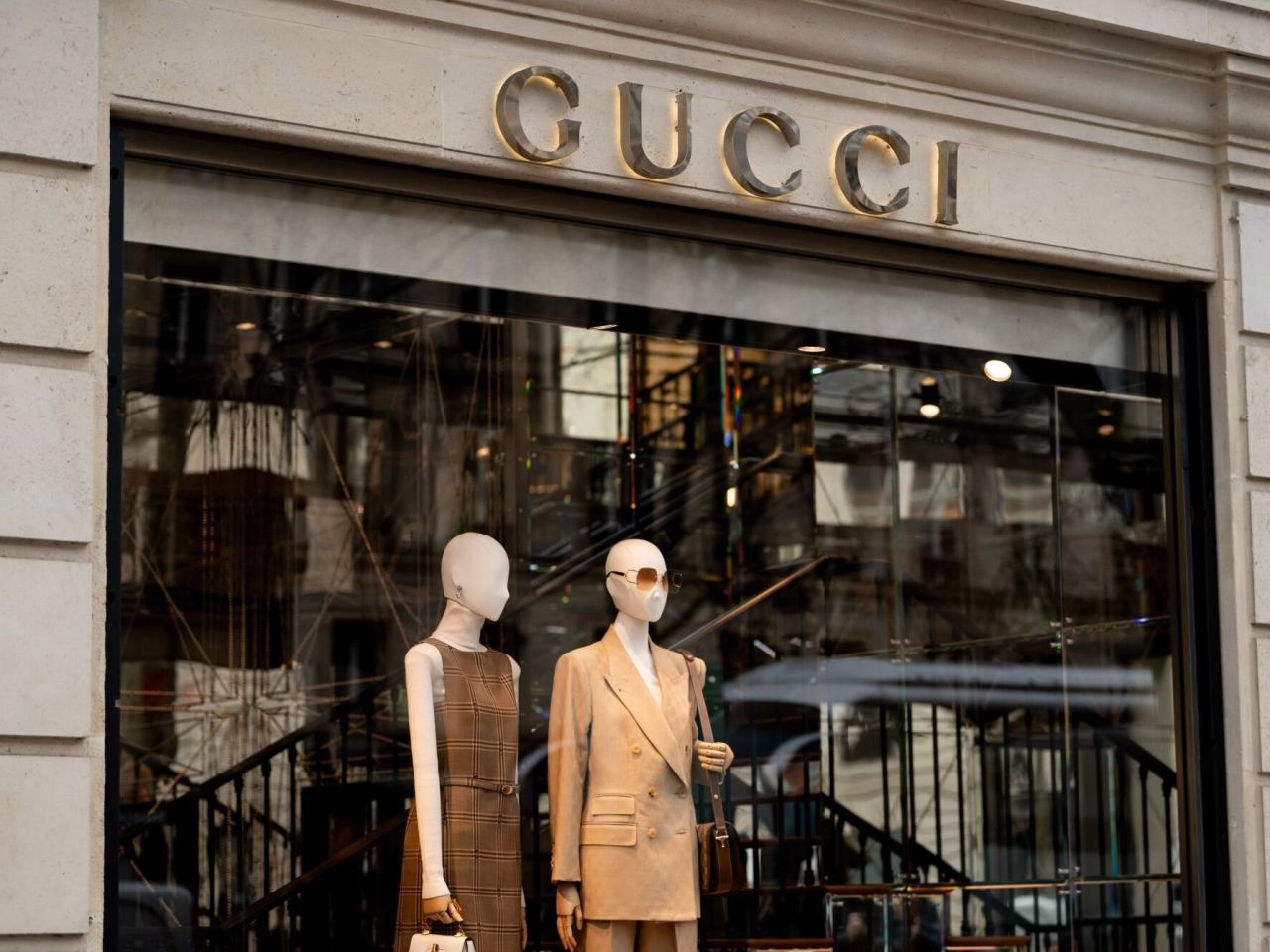
France's wealthiest couples concentrate in luxury goods for historical and structural reasons that don't apply elsewhere.
- Centuries-long brand building:Hermès (founded 1837), Louis Vuitton (1854), and Chanel (1910) developed reputations for craftsmanship and exclusivity over generations. This creates brand equity impossible to replicate quickly.
- Exceptional pricing power:Luxury brands increase prices annually without losing customers because products function as status symbols. Profit margins of 20-40% in luxury leather goods and fashion exceed almost any other consumer category.
- Generational wealth preservation:French luxury families maintain control across generations rather than selling to outsiders. LVMH remains under Arnault family control. Hermès remains family-controlled since 1837. This long-term approach compounds wealth over decades.
- Global market dominance:According to Bain & Company, French luxury brandscapture 25-30% of global luxury spending despite France representing less than 1% of world population. This market concentration creates extraordinary wealth for controlling families.
How We Define And Calculate Couple Wealth
Calculating combined couple wealth requires more than simply adding two individual net worths together. The methodology depends on several factors that affect how assets are held and valued.
1. Individual Versus Joint Assets
Individual versus joint assets represent the first major consideration. Some billionaires hold wealth primarily in their individual names through stock ownership, business control, or inheritance. Others share joint ownership structures with spouses or maintain separate holdings that were acquired before marriage versus during marriage.
2. French Marital Property Regimes
French marital property regimesadd another layer of complexity. France offers couples several legal frameworks for managing assets during marriage, including community property regimes (where assets acquired during marriage are jointly owned) and separation of property regimes (where spouses maintain independent financial identities). Wealthy couples often use customized marital contracts that don't follow standard templates, making external assessment of true combined wealth difficult.
3. Public Versus Private Wealth Disclosure Challenges

Public versus private wealth disclosure challenges mean that what appears in wealth rankings represents only what can be verified through public sources. Stock holdings in publicly traded companies are disclosed through regulatory filings. Private company ownership, real estate portfolios, art collections, and offshore holdings remain largely invisible unless owners choose to disclose them.
What We Don't Know - Hidden Wealth And Privacy
Significant French couple wealth likely remains untracked due to privacy and legal structures.
- 1. Private company ownershipallows wealth accumulation without public reporting. While LVMH's public status makes Arnault wealth calculable, families controlling entirely private companies may hold billions without appearing on lists.
- 2. Real estate and art portfoliosrepresent wealth that rarely appears in net worth calculations unless disclosed voluntarily. Wealthy French couples likely own valuable properties and art collections worth hundreds of millions that don't appear in rankings.
- 3. Offshore structures and trustscan obscure beneficial ownership. While France has strict tax laws, legitimate foreign holding structures don't require public disclosure of ultimate owners.
- 4. Cultural discretionmeans many wealthy French individualssimply don't publicize marital status or financial arrangements. The couples listed above represent only those whose marriages are publicly known and whose wealth can be estimated from available data.
People Also Ask
Who Is The Richest Couple In France?
Bernard Arnault and Hélène Mercier hold this distinction with combined wealth exceeding $200 billion derived primarily from Arnault's controlling stake in LVMH. Their fortune fluctuates based on LVMH stock performance but consistently ranks among the world's largest household fortunes. No other French couple approaches this wealth level.
What Industries Make French Billionaires Rich?
Mainly luxury fashion, beauty products, and related businesses.
Who Owns 50% Of The World's Wealth?
The pyramid shows that: half of the world's net wealth belongs to the top 1%, top 10% of adults hold 85%, while the bottom 90% hold the remaining 15% of the world's total wealth, top 30% of adults hold 97% of the total wealth.
Who Is The Richest Woman In France?
Françoise Bettencourt Meyers, with around $94 billion from L'Oréal.
Why Does Luxury Create So Much French Wealth?
Luxury goods provide exceptional profit margins (20-40%), pricing power (annual price increases without demand loss), and generational business continuity. French brands like LVMH, L'Oréal, and Chanel dominate global markets, creating concentrated wealth for controlling families.
How Do French Billionaire Couples Handle Taxes?
They primarily use the IFI (Impôt sur la Fortune Immobilière) framework, which focuses on real estate. Most of their business wealth is held in professional holding companies, which are often exempt or taxed differently to encourage business continuity. Data as of January 2026.
Final Thought
These richest French couples show that lasting wealth grows from teamwork and planning. Their combined influence touches multiple industries, turning personal fortune into global power. In France, true financial strength comes from partnerships that manage and grow wealth across generations.